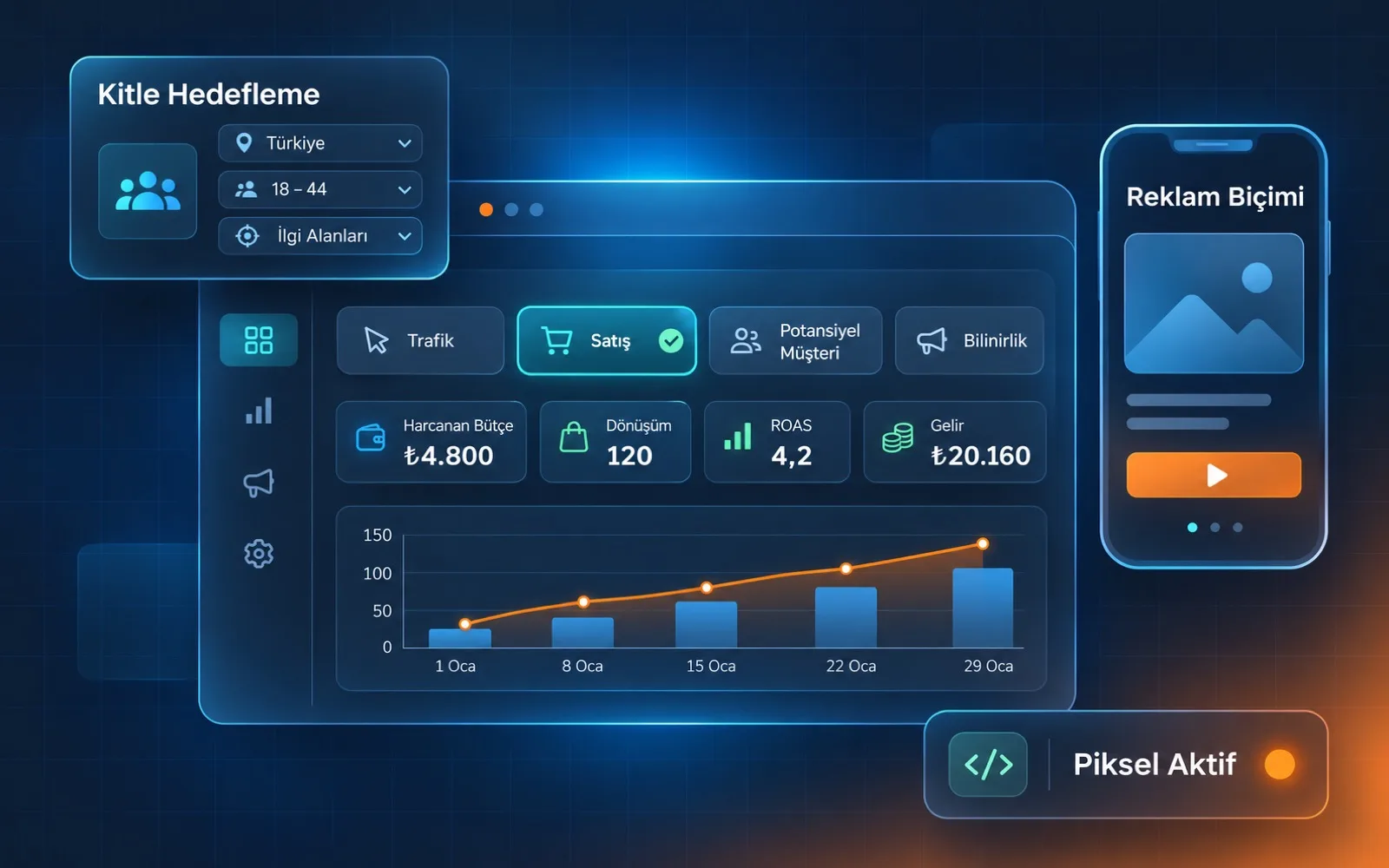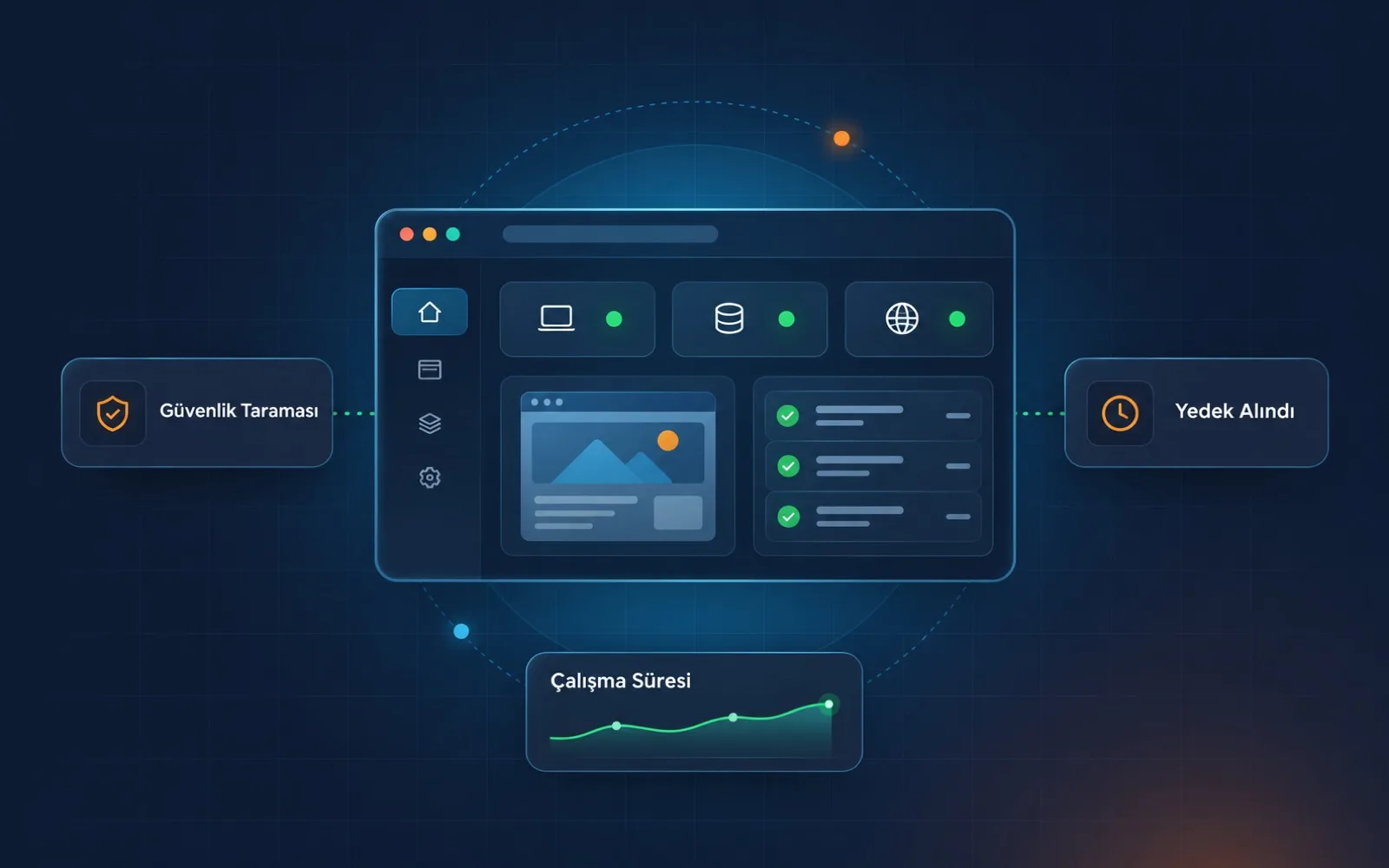

An important question often asked by businesses that want to be visible on Google and reach potential customers is: What is Google Ads? Google Ads is a flexible, measurable digital advertising platform that lets you advertise on Google Search, YouTube and the Google network. In this comprehensive guide, you'll learn how Google Ads works, the key points of creating an ad campaign and what to keep in mind for effective ad management.
What Is Google Ads?
Google Ads (formerly Google AdWords) is an advertising platform that enables businesses to reach their target audiences quickly in the digital world. It lets you run paid ads in search results, on YouTube videos, on Google Maps and across Google's partner network. Its core purpose is to strengthen the promotion of your products or services by making you visible to the right people at the right time.
What Does Google Ads Do?
With Google Ads, you can increase your brand visibility based on the searches your target audience makes on Google. The platform is especially effective for acquiring new customers, increasing website traffic, boosting product or service sales and building brand awareness. Thanks to its targeting options, you can easily direct your ads based on users' geographic location, age, interests and many other criteria.
How Does Google Ads Work?
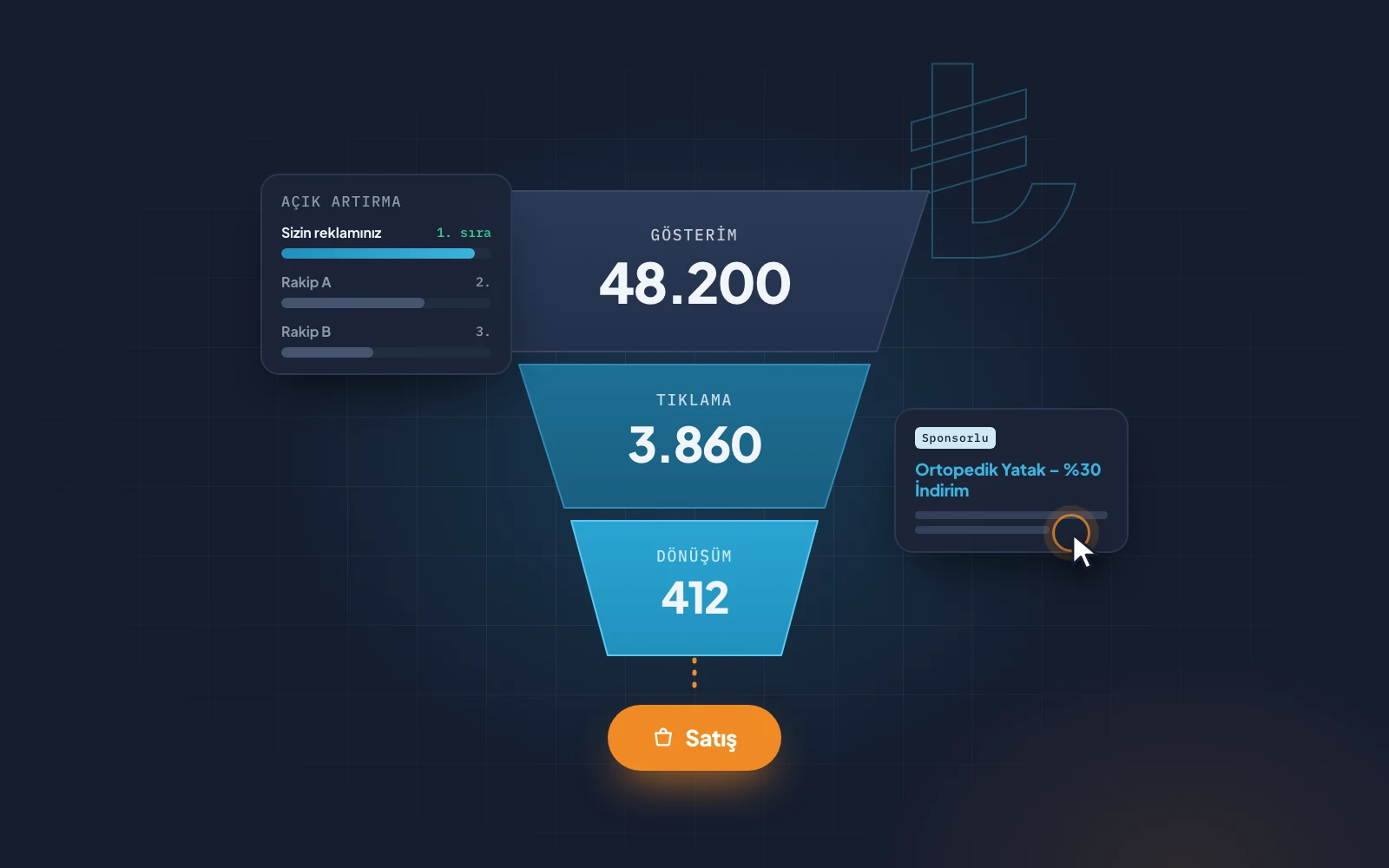
At the core of Google Ads are the ad auction and bidding strategies. Your ads become eligible to show based on relevant search queries or the targets you set. Ad rank is determined by your bid, the quality of the ad and its relevance to the user. Some of the steps in how the system works are:
- Auction: For every ad impression, different ads enter an auction based on their eligibility.
- Bidding: Your budget is managed with the maximum cost per click (CPC) you set or with different bidding strategies (target ROAS, maximize conversions, etc.).
- Ad Quality: The relevance of the ad copy, expected click-through rate and landing page experience all matter.
- Targeting: Offers many targeting options, from keywords to targeted audiences and from location to device type.
What Are the Types of Google Ads?
- Search Network Ads: Appear in search results at the moment users search on Google.
- Display Network: Visual, image and banner ads run on YouTube, Gmail and thousands of partner sites.
- Shopping Ads: Offer sales-focused ads with product photos and prices through Google Shopping.
- Video Ads: Let you appear with video storytelling on YouTube and Google video partners.
- App Campaigns: Aim to drive downloads of your mobile app and are shown on Google Play and other Google channels.
- Performance Max: A comprehensive campaign type with automated targeting and ad serving across multiple Google platforms.
How Do You Run a Google Ads Campaign?
- Create a Google Ads Account: Sign in with your Google account and register on the platform.
- Set Your Campaign Goal: Choose a goal such as sales, website traffic, lead generation or brand awareness.
- Choose a Campaign Type: Pick one of the Search, Display, Video, Shopping, App or Performance Max options.
- Set Your Budget and Bids: Define your daily or total budget and choose a bidding strategy (manual bidding, target CPA, maximize clicks, etc.).
- Configure Targeting: Set targeting such as location, language, device, audience and keywords.
- Create Your Ad Copy and Extensions: Add attention-grabbing headlines and descriptions, and use call or location extensions.
- Set Up Conversion Tracking: Add a conversion tag to your website to measure the return on your ads.
- Launch and Monitor Your Campaign: Analyze performance while the campaign is live and optimize as needed.
How Do You Do Google Ads Keyword Research?
The foundation of a successful ad campaign is choosing the right keywords. Search intent, meaning the user's actual goal, plays a key role here. You need to choose your keyword match type carefully; with broad, phrase ("phrase match") or exact match options, you can determine which queries your ads appear for. Negative keywords prevent unnecessary costs. You can follow these steps:
- Analyze frequently searched keywords relevant to your business with Keyword Planner.
- Manage your budget more efficiently by adding rarely used and irrelevant terms as negative keywords.
- You can also use the queries from your SEO work in your Google Ads campaigns.
How Do You Set a Google Ads Budget?
Your Google Ads budget is shaped by many factors, such as your campaign goal, competition in your industry, bidding strategy choices and the number of conversions you expect from your ads. By setting a daily budget, you can keep spending under control and plan monthly totals. Costs and competitive conditions can vary by industry.
- Limit your spending by planning a daily/monthly budget.
- Optimize your budget based on cost per conversion, target number of customers and the expected return on the ad.
- With expert support through Google Ads Management, you can use your budget efficiently.
What Is Cost Per Click (CPC) in Google Ads?
The pricing model in Google Ads varies by campaign type and the chosen bidding strategy. Some of the most common models are:
- CPC (Cost Per Click): You pay only when the ad is clicked.
- CPM (Cost Per Thousand Impressions): You're charged per thousand views; often used on the Display Network.
- CPA (Cost Per Acquisition): You pay when a specific conversion (form submission, purchase, etc.) takes place.
For successful campaigns, you need to regularly track metrics such as conversion rate (how many people who see the ad complete the target action) and ROAS (Return on Ad Spend).
What Are the Differences Between Google Ads and SEO?
Google Ads and SEO offer different methods for visibility and customer acquisition. Here's a comparative summary:
- Visibility Method: Google Ads provides visibility in paid results, while SEO provides visibility in organic search results.
- Cost Model: Google Ads requires paying per ad, while SEO generally involves long-term effort and optimization costs.
- Time to Earn Traffic: Google Ads delivers fast results once ads go live, while earning rankings with SEO takes time.
- Targeting Options: Google Ads offers many targeting options such as keywords, demographics and devices; with SEO, content and technical infrastructure need to be search engine friendly.
- Performance Measurement: Google Ads allows real-time performance monitoring and optimization; with SEO, analyzing the impact of changes can take longer.
- Long-Term Sustainability: Google Ads delivers active results only while the campaign runs; organic traffic earned through SEO can provide sustainable, long-lasting benefits.
- Which Businesses It Suits: Google Ads suits those looking for fast short-term results or wanting to promote a specific campaign; SEO suits those who want lasting long-term visibility. These methods don't have to be alternatives to each other; they can be used together to create synergy.
For more information, read our blog post What Is SEO? How Does It Work?
| Criterion | Google Ads | SEO |
|---|---|---|
| Visibility Method | Paid | Organic |
| Cost Model | Per click or impression | Effort and optimization costs |
| Time to Earn Traffic | Fast | Takes time |
| Targeting Options | Very broad | Content/infrastructure focused |
| Performance Measurement | Real time | Long term |
| Sustainability | For the duration of the campaign | Lasting |
| Suitable Businesses | Those seeking short-term results | Those wanting a long-term strategy |
How Do You Set Up Google Ads Conversion Tracking?
To measure the return on ad spend in Google Ads, you need to set up conversion tracking. Goals such as form submissions, phone calls, purchases, quote requests or app downloads can be used as conversions. Tracking methods:
- Google Ads Conversion Tag: Added to the website and fired for each conversion that takes place.
- Google Analytics 4: Reports website and app traffic holistically.
- Google Tag Manager: Lets you track conversions, clicks and interactions without adding code.
- Phone Call and Click Tracking: Measure calls from ads with dedicated tracking codes to analyze phone contacts.
- You can enrich your tracking with the relevant setups for purchases or conversion rate optimization.
What Is Google Ads Quality Score?
Quality Score is a diagnostic metric that shows how well the ad copy, keyword and landing page match user expectations and search intent. Factors such as expected click-through rate, ad relevance and landing page experience affect Quality Score. This score makes optimization decisions easier and can indirectly affect how often your ad shows and how much you pay.
Why Does the Landing Page Matter in Google Ads?
The landing page is the first page that greets users when they click an ad, and it is the key to success. Points to keep in mind:
- Mobile Friendliness: Most users come from mobile devices; pages need to be fast and easy to navigate.
- Page Speed: Slow pages can reduce conversion rates.
- Content Relevance: The ad message and the landing page should be consistent.
- User Experience: Clear call-to-action buttons, an understandable structure and easy-to-fill forms are effective.
- Conversion Optimization: With CRO, you can focus on achieving higher conversions.
Common Mistakes in Google Ads Management
- Misusing the budget with incorrect targeting settings
- An incomplete negative keyword list leading to unwanted clicks
- Running campaigns without conversion tracking in place
- Sending traffic to weak or irrelevant landing pages
- Managing budgets and bids without control
- Not running A/B tests and ignoring performance analysis
What Is Google Ads Consulting?
Google Ads consulting consists of comprehensive analysis, setup, optimization, A/B testing, reporting and ongoing monitoring to help you reach your advertising goals. We're with you at every stage, from fully defining your campaign strategies to measuring conversions.
What Determines Google Ads Management Fees?
Your Google Ads ad spend and the ad management service fee are separate items. The management fee can vary depending on the number of campaigns, account complexity, audience segmentation, automation, integration or custom reporting needs. This fee does not have to be proportional to the ad budget.
Use Cases: Google Ads for Different Businesses
Local Service Business
Imagine you run a plumbing company serving Istanbul. On the Google Ads Search Network, you can aim to get direct phone calls with location-based keywords such as "emergency plumber." With a "click to call" extension, you can increase your phone calls.
Ecommerce Company
You're an ecommerce business selling products through your own website. With Google Shopping ads, you can highlight product photos and prices and capture fast sales opportunities with relevant keywords. You can support performance over the long term with Ecommerce SEO Services.
B2B Service Company
You're a B2B company offering digital marketing services to corporate clients. With a Performance Max or Search Network campaign, you can bid on a keyword such as "digital marketing agency get a quote" and generate conversions through web forms or phone calls.
Frequently Asked Questions
- Is there a minimum budget to advertise on Google Ads? Your budget is flexible; you can set a daily spending limit and increase or decrease it at any time.
- Does Google Ads charge per click or per impression? Depending on the campaign type and chosen bidding model, you can be charged per click, per impression or per conversion.
- How many days does it take to see results with Google Ads? With the right targeting and setup, ads are usually published immediately and measurable data can be obtained within days.
- How do you pay for Google Ads? Payment can be made by credit card or bank transfer. You can manage your payment preference in your account.
- Does Google Ads deliver the same efficiency in every industry? Ad success is directly related to industry competition, keyword costs, targeting, ad quality and the landing page.
- Can you advertise on Google Ads without a website? In some campaigns, you can advertise without a website using phone call or Google Maps extensions.
Conclusion: The Right Strategy for Successful Google Ads
With proper planning and measurement, Google Ads can be a powerful growth tool. Clarify your campaign goals, set up conversion tracking completely and remember to optimize regularly based on your data. With our Google Ads Management service, we offer expert support at every step of your business. Get in touch with our professional team to improve your ad performance.
Author
Enes Şahin
Writes on the Hun Digital blog