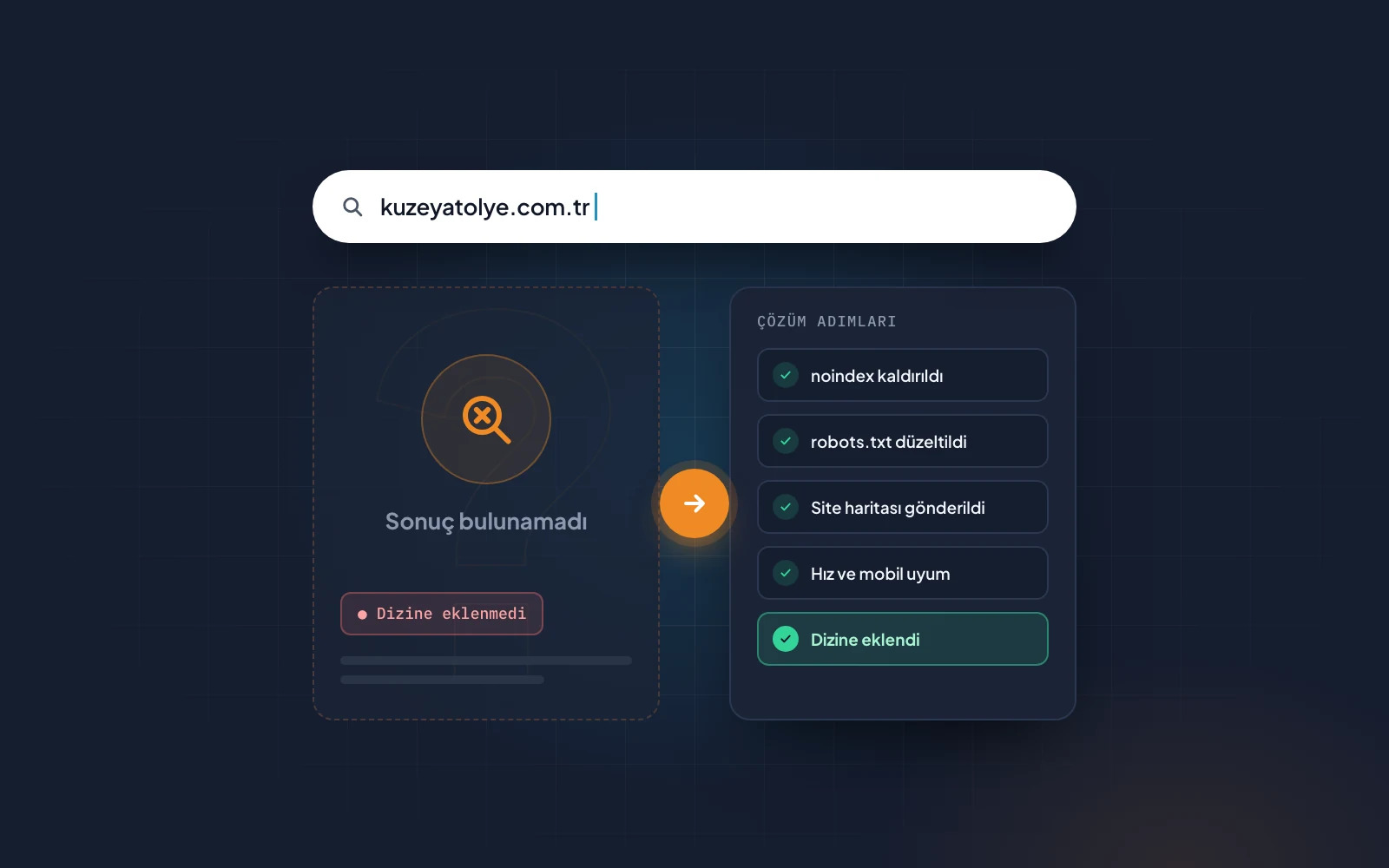


For businesses, the first step to existing online is visibility. "What is SEO?" is a question on the mind of everyone who wants to grow their business digitally. SEO, or search engine optimization, is the set of practices that helps your website rank higher in search engines. In this guide, we explain what SEO is, why it matters and the basic steps you can take to make your website stand out on Google, in plain and simple terms.
What Is SEO?
SEO stands for Search Engine Optimization. Its goal is to help search engines better understand a website and to make it rank higher organically (naturally) for target keywords. SEO is an ongoing optimization process that covers technical infrastructure, content quality and off-site factors as a whole.
What Does SEO Do?
- It helps you reach people searching for your business's products and services more easily.
- It increases your visibility on Google and other search engines.
- It helps you attract qualified traffic (relevant visitors with conversion potential).
- It strengthens user experience and your website's credibility.
Done right, SEO can deliver a continuous flow of organic visitors over the long term without spending an ad budget. It also builds your brand awareness over time.
How Do You Do SEO?
SEO is a multi-step, systematic and ongoing process. The main stages are:
Website and Competitor Analysis
- The technical state and content structure of the existing website are reviewed.
- Competitors' strengths and weaknesses are evaluated.
Keyword Research
- Keywords are identified based on your target audience's search habits.
- Search volume, competition level and search intent are analyzed.
Technical Optimization
- Improvements are made to site structure, speed and mobile friendliness.
- Crawling and indexability issues are identified.
Content Development
- Comprehensive content that adds value for users is created.
- Existing content is updated and enriched.
Internal Linking and Structure
- Logical, meaningful internal links are built between pages.
- URL structure and heading tags are optimized.
Performance Measurement and Monitoring
- Progress is monitored periodically with tools such as Google Search Console and Google Analytics 4.
- Metrics such as organic traffic, clicks and conversions are tracked.
What Is Technical SEO?
Technical SEO covers the settings that allow search engines to crawl and index your site easily. Key topics:
- Crawling and Indexing: Search engine bots need to be able to navigate the site easily. Your robots.txt file and meta robots tags are important here.
- XML Sitemap: Providing search engines with a sitemap (sitemap.xml) makes it easier for new content to be indexed quickly.
- Canonical URL: Used to prevent duplicate content and tells the search engine which URL should be treated as the primary one.
- 301 and 302 Redirects: Correct redirects are important for pages that have been moved or deleted.
- Mobile Friendliness: Google prioritizes sites with strong mobile compatibility.
- Core Web Vitals: User experience indicators such as page load speed, interaction time and visual stability come to the fore.
- HTTPS: A secure connection (SSL certificate) increases your brand's credibility.
- Structured Data: Schema markup is used to earn rich results (rich snippets).
For your first steps, you can also get support from our Technical SEO Consulting service.
How Do You Do On-Page SEO?
On-page SEO covers optimizations made directly on the site's pages:
- Title and Meta Description: Every page should have a unique title and description that include keywords.
- Heading Structure (H1-H3): Dividing content into section headings shows both users and Google the main structure of the page.
- URL Optimization: Short, clear URLs that include keywords are preferred.
- Image Optimization: Alt text and appropriate file sizes improve both accessibility and speed.
- Content Quality: Original, readable and useful content matters for both users and search engines.
- Internal Linking: Related pages on the site are linked to each other correctly. For a detailed content strategy, see our Content and SEO Strategy page.
What Is Off-Page SEO?
Off-page SEO covers reference links from other sites (backlinks), brand awareness and reputation management.
- Backlinks: Links from trusted, relevant websites increase search engines' trust in your site.
- Digital PR: Appearing in the press and on industry portals boosts brand visibility.
- Earning Links Naturally: Creating useful, original content makes it easier for other websites to cite you as a source.
- The Risk of Spam Links: Unnatural or low-quality links can harm your rankings in the long run. You need to follow search engines' quality guidelines.
How Do You Do Keyword Research?
Keyword research starts by identifying the queries users type into search engines.
- Search Volume: Shows how often a keyword is searched.
- Competition: Shows how heavily other sites are targeting the keyword.
- Search Intent: Analyzes whether the user is looking for information, a product or a place with that keyword.
- Long-Tail Keywords: Traffic can be attracted through more niche, targeted queries.
By building broader content clusters, you can connect smaller topics to a main theme. For the right keyword strategies, take a look at our SEO Services page.
What Should You Do to Rank Higher on Google?
- Create content that gives clear, useful answers to users' questions.
- Ensure the site's technical accessibility and speed. For website speed optimization, you can get support from our Website Speed Optimization service.
- Prioritize mobile friendliness and a secure connection (HTTPS).
- Update content regularly and fix broken links.
- Earn trusted digital assets and reference links.
- Keep SEO work sustainable and repeat it periodically.
What Is Local SEO?
Local SEO is important for businesses that want to reach users searching in a specific geographic area.
- A Google Business Profile (formerly Google My Business) listing is created.
- The business name, address, phone number and opening hours are kept up to date.
- Users are given the opportunity to leave ratings and reviews.
- Listings in local directories and map services are kept current.
How Do You Do Ecommerce SEO?
- Titles, descriptions and URLs of product and category pages are optimized.
- Canonical tags are used to address duplicate content risks.
- Dynamic URLs created by filtering or sorting options are kept under control.
- Using structured data (schema) on products can help them stand out in search results.
- Site architecture is planned so users can reach products in as few clicks as possible.
To learn about our SEO support for ecommerce sites, visit our Ecommerce SEO Services page.
What Are the Differences Between SEO and Google Ads?
| Criterion | SEO | Google Ads |
|---|---|---|
| How Traffic Is Earned | From organic search results | From paid ad impressions |
| Cost Model | No direct cost per click | Budget-based, pay per click |
| Time to See Results | Medium to long term | As soon as the campaign goes live |
| Long-Term Visibility | Sustainable | Depends on campaign duration |
| Targeting Options | Content and keyword focused | Demographic, geographic and interest based |
| Performance Measurement | Organic traffic, rankings and conversions | Click, impression and cost reports |
| Best Suited For | All websites and businesses building a brand | Those who need fast traffic in the short term |
Both methods complement each other; for a sustainable digital presence, you can benefit from both organic and paid efforts. For details, see our Google Ads Management service.
Practical Examples: Which Businesses Need SEO and Why?
- Corporate Service Company: If its visibility on Google is low in the areas it serves, potential customers can't find the company. It may lag behind in organic rankings due to missing keyword analysis, weak content and technical issues. Ranking higher requires a detailed search engine optimization effort.
- Ecommerce Site: If its category pages or products don't show up on Google, most customers may go straight to competitor sites. Category structure, filter URLs and missing product structured data are among the most common problems. These issues can be overcome with Ecommerce SEO Services.
- Local Business: If it only wants to attract customers in a particular city or region, it should optimize its Google Business Profile with a local SEO focus. With the right category selection, up-to-date contact details, map and review management, it becomes easy to reach potential customers in the city.
When Do You See Results from SEO?
The impact of SEO optimization doesn't appear overnight. Many factors, such as industry, competition, the current state of the site and content quality, affect how quickly results appear. SEO requires continuous, long-term work; fast or guaranteed rankings cannot be promised.
How Do You Measure SEO Performance?
- Google Search Console: Lets you see your site's organic traffic, clicks, impressions and rankings.
- Google Analytics 4: Analyzes visitor behavior, conversion rates and user engagement.
- Organic Traffic and Click-Through Rates: Visitor numbers, clicks and conversion rates should be monitored regularly.
- Indexing Reports: Report whether your pages are actively indexed by search engines.
What to Look for When Hiring an SEO Service
- Technical analysis skills, strategy development and open communication are important.
- Reporting should be transparent, easy to understand and regular.
- Sustainable, consistent optimization should be offered.
- Expectations should be realistic and goals should not be overstated.
Getting expert SEO support accelerates your digital growth. For a professional approach and sustainable optimization, see our Search Engine Optimization (SEO) Services and Technical SEO Consulting pages.
Frequently Asked Questions
- What is SEO, in its most basic definition? SEO is the name for the technical, content and link-based work done to make your website more visible in search engines.
- Is SEO a one-time task or an ongoing process? SEO is an ongoing process that requires regular monitoring and updates.
- Which sites need SEO? All businesses, including corporations, ecommerce sites and local businesses, need SEO for organic visibility.
- Is it possible to get fast results with SEO? Results vary by competition and site. Fast short-term results are rare; consistent work is required.
- Can I do SEO on my own? You can handle basic optimizations yourself and get professional support for more comprehensive and technical processes.
- Does using Google Ads directly affect my SEO rankings? Google Ads is paid advertising and does not directly affect organic rankings. However, the two methods can be used together.
Conclusion
SEO is a comprehensive optimization process that spans everything from technical infrastructure to content development and from user experience to regular performance analysis. Success requires continuous monitoring and updates. If you want your business to stand out in search engines, get in touch with us for professional SEO services. Start growing digitally today.
Author
Enes Şahin
Writes on the Hun Digital blog